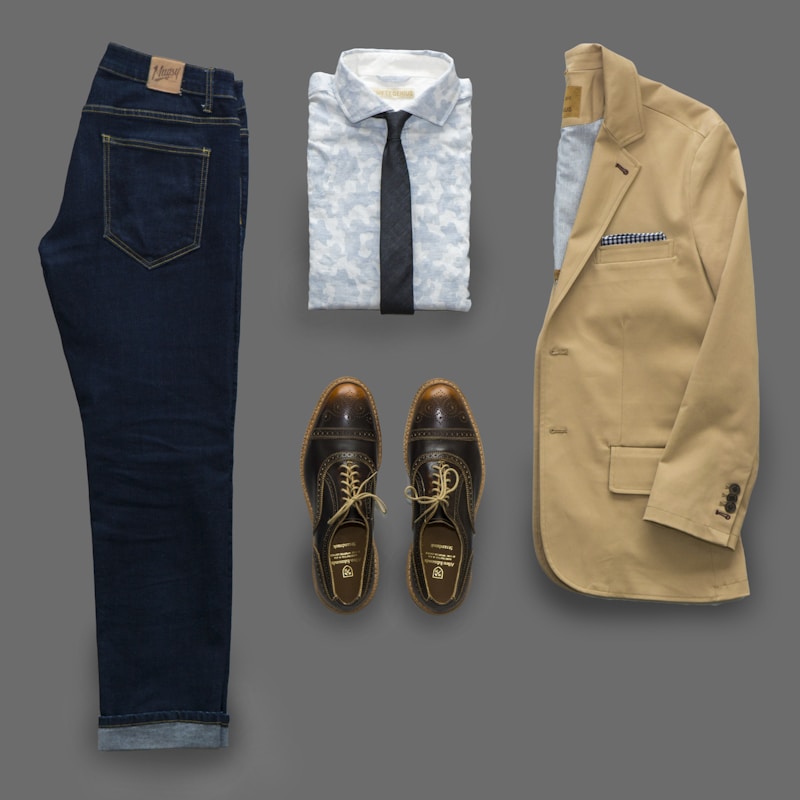
Navigating professional dress codes while maintaining personal style is one of modern fashion’s trickiest challenges. Whether your workplace is strictly corporate or creatively casual, these tips will help you look polished, professional, and unmistakably yourself.
Understand Your Workplace Culture
Before building a professional wardrobe, understand your environment. A creative agency’s dress code differs dramatically from a law firm’s. Observe what senior colleagues wear and identify the unwritten rules. Once you understand the boundaries, you can work within them to express your personal style. In ambiguous settings, it’s always better to be slightly overdressed than noticeably underdressed.
Invest in Quality Basics
A professional wardrobe stands on the foundation of quality basics. Well-fitted blazers, crisp button-downs, tailored trousers, and sheath dresses in neutral colors form the backbone of endless outfits. Choose fabrics that resist wrinkles — wool blends, cotton-polyester mixes, and jersey knits travel well and maintain their shape through long workdays. These pieces are worth the investment because they earn their cost per wear quickly.
Use Color Strategically
Color is your most powerful style tool in a professional setting. Build a neutral base — navy, black, grey, cream, and olive — and add accent colors that reflect your personality. A burgundy blouse under a navy suit, forest green trousers with a cream sweater, or mustard accessories with an all-black outfit add personality without crossing professional lines. Stick to one or two accent colors per outfit for maximum impact.
Accessorize Intentionally
Accessories transform professional basics into personal style statements. A quality watch, structured handbag, and minimalist jewelry are professional standards. Use one standout piece — a printed silk scarf, architectural earrings, or a colorful handbag — to inject personality. Leather accessories in cognac, black, or navy add warmth and sophistication to any professional ensemble.
The Power of Tailoring
Nothing elevates a professional wardrobe like good tailoring. A $50 blazer from a thrift store can look like a $500 investment with proper alterations — hemmed sleeves, taken-in waist, adjusted shoulders. Build a relationship with a local tailor and budget for alterations on every new purchase. The difference between off-the-rack and custom-fit is the difference between looking dressed and looking polished.
Footwear That Works
Professional footwear should balance style, comfort, and appropriateness. Classic pumps, loafers, oxfords, and ankle boots in leather or suede are perennial choices. For maximum versatility, own a black heel for formal meetings, a neutral flat or kitten heel for daily wear, and a polished loafer for creative environments. Invest in quality soles and consider adding rubber grips for comfort and longevity.
Dressing for Virtual Professionalism
Remote and hybrid work demands its own wardrobe strategy. On video calls, solid colors read better than busy patterns. Pay attention to what’s visible on camera — a statement necklace or crisp collar frames the face beautifully. Keep a blazer or cardigan within reach for unexpected video meetings, and avoid overly casual pieces even when working from home.
Seasonal Adjustments
Professional dressing adapts to seasons. Summer calls for breathable fabrics like cotton, linen, and lightweight wool in lighter colors. Winter welcomes layering — turtlenecks under blazers, knit dresses with boots, and structured coats. Transitional pieces like a trench coat, cashmere wrap, or silk blouse work across multiple seasons, maximizing your wardrobe’s utility.
The Bottom Line
Professional dressing isn’t about suppressing your style — it’s about channeling it through a lens of appropriateness and polish. When you feel authentic in what you’re wearing, that confidence radiates in meetings, presentations, and networking events. The right professional wardrobe doesn’t just make you look good — it helps you do your best work.