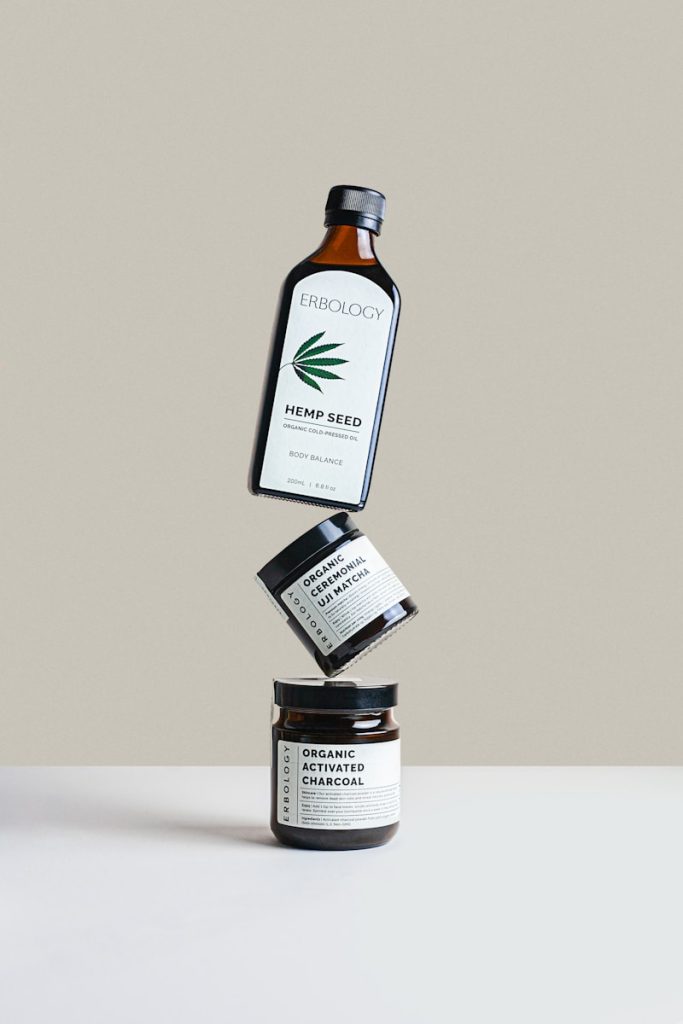
Knowing your skin type is the first and most important step in building an effective skincare routine. Using products formulated for the wrong skin type can lead to breakouts, dryness, irritation, or a host of other issues. Here is a detailed guide to identifying your skin type and selecting products that will work harmoniously with your skin.
The Cleanse and Wait Test
The easiest way to determine your skin type is the cleanse and wait test. Wash your face with a gentle cleanser and pat it dry. Do not apply any products for thirty minutes. After the wait, examine your skin. If your entire face feels tight and looks dull, you likely have dry skin. If your T-zone, forehead, nose, and chin appears shiny but your cheeks feel comfortable, you have combination skin. If your entire face looks shiny and feels greasy, you have oily skin. If your skin feels comfortable and balanced with no tightness or shine, you have normal skin.
Characteristics of Each Skin Type
Dry skin produces less sebum than normal skin, leading to a lack of lipids needed to retain moisture. It often feels tight, looks flaky or rough, and may show fine lines more prominently. Oily skin produces excess sebum, resulting in a shiny appearance, enlarged pores, and a tendency toward blackheads and breakouts. Combination skin is the most common type, featuring an oily T-zone with normal or dry cheeks. Normal skin is well-balanced, neither too oily nor too dry, with small pores and an even complexion.
Choosing Products for Dry Skin
Look for creamy, hydrating cleansers that do not strip the skin. Avoid foaming cleansers that contain sulfates. Your moisturizer should be rich in emollients like shea butter, squalane, and ceramides. Hyaluronic acid serums are excellent for boosting hydration. Avoid products with denatured alcohol, witch hazel, and strong fragrances. Consider incorporating facial oils into your routine for extra nourishment.
Choosing Products for Oily Skin
Use a gentle foaming or gel cleanser that removes excess oil without stripping the skin. Look for lightweight, oil-free, non-comedogenic moisturizers. Niacinamide is an excellent ingredient for regulating oil production. Salicylic acid can help keep pores clear. Avoid heavy creams and balms that can clog pores. Despite your oily skin, do not skip moisturizer, dehydrated skin can actually produce more oil to compensate.
Choosing Products for Combination Skin
Balance is the key for combination skin. Use a gentle cleanser that does not overly dry any area. A lightweight, gel-based moisturizer works well for the entire face. You may need to use different products on different areas, a richer cream on the cheeks and a lighter gel on the T-zone. Clay masks on the oily areas can help control shine, while hydrating masks on the cheeks provide moisture where needed.