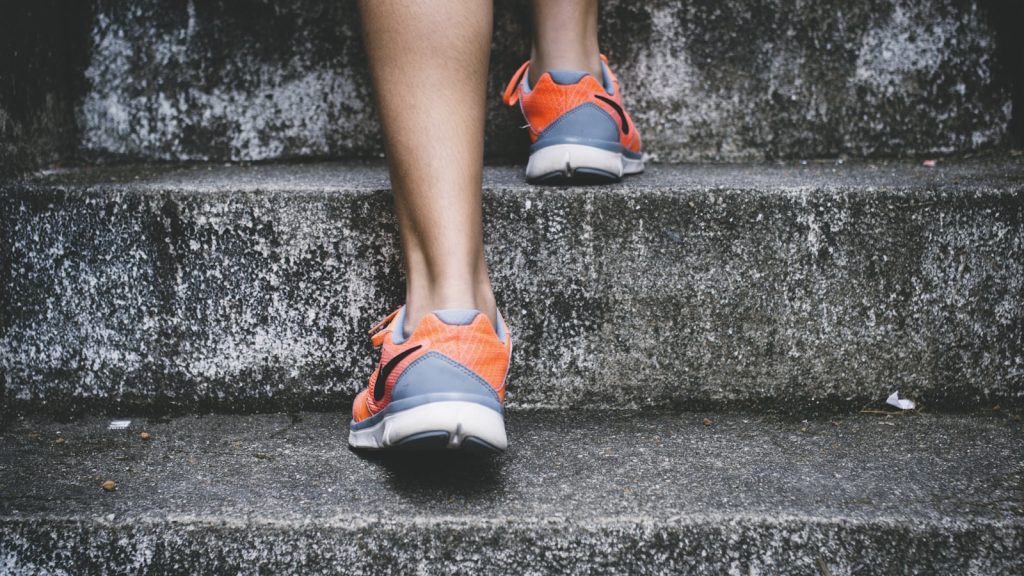
I’ll be honest with you: I used to think walking was the most boring exercise on the planet. If it didn’t make me sweaty and out of breath, I didn’t count it as a workout. So when my nutritionist casually suggested a short walk after dinner, I rolled my eyes a little. Ten minutes? Around the block? What was that supposed to do?
Turns out, a lot. I’ve now done it for three months, and it’s the single cheapest wellness habit I’ve ever adopted. Here’s what happened, what I learned, and how you can do it without turning your whole routine upside down.
Why I Even Tried It
I was dealing with that classic 3 p.m. crash, the one where your eyelids get heavy, you start craving sugar, and the only thing keeping you going is a second coffee. I also had that bloated, heavy feeling after big meals, especially dinners. Nothing dramatic, just uncomfortable. I wasn’t ready to overhaul my diet or start counting macros, so my nutritionist offered the smallest possible change: walk for ten minutes after eating.
What Actually Happened
The first thing I noticed wasn’t physical, it was mental. A short walk after a meal gave me a clean break. I’d eat, step outside, and suddenly my brain would stop buzzing about work emails. It’s like the day got a reset button I didn’t know existed.
Then the digestion stuff followed. That heavy, bloated feeling after dinner started showing up less and less. There’s real science behind it, gentle movement helps your stomach empty and keeps things moving, which is why so many doctors recommend it for people with slow digestion. Nothing dramatic, just a steady improvement.
And the afternoon crash? Way better. I’m not saying I never want a nap at 3 p.m. anymore, but the desperate, can’t-function-without-caffeine feeling is gone. Studies suggest light activity after meals helps steady blood sugar, and honestly, I can feel the difference in my energy by mid-afternoon.
How to Actually Stick With It
Here’s the thing I learned: the habit only worked once I made it stupidly easy. My first attempt failed because I tried to do a power walk for 30 minutes. That’s not a habit, that’s a workout, and I did not want a workout after dinner. Ten minutes, casual pace, that’s it. These are the tricks that kept me consistent:
Do it before you sit down. The moment I hit the couch, the walk wasn’t happening. So now the rule is: after the last bite, I put on shoes and go. No sitting first, no “I’ll go in a minute.”
Pick the same route. I walk the same two blocks every single time. It sounds boring, but boring is the point, no decisions to make, no planning, no excuses.
Leave your phone inside. Or if you bring it, use it for music only. The whole point is the break. If I’m scrolling, I’m not actually resetting.
Weather is not an excuse. Rain? I walk the hallway or up and down the stairs for ten minutes. It’s about movement, not scenery.
Track it loosely. I don’t count steps or log it in an app. I just keep a mental tally of days in a row, because streaks are weirdly motivating.
What I Wish I’d Known
You don’t need to walk after every meal for it to work. I do it after dinner most days, and after lunch when I can. Some weeks I only manage three or four walks total. It still helps. Perfection isn’t the point. The point is that gentle movement after eating is one of those rare wellness habits that gives you a lot for almost nothing. No gear, no gym, no expensive supplements.
If you’re sitting there thinking you should move more, start smaller than you want to. Ten minutes. Around the block. After one meal. That’s the whole plan. In a month, you might be like me, mildly annoyed that something this simple actually works.