I’ll be honest with you: I didn’t think this would work. I’d read a hundred articles about blue light and sleep hygiene and “put the phone away an hour before bed,” and honestly, they all sounded like something my mom would say. But then my friend told me about her two-week phone-free wind-down challenge, and she looked way more rested than I did. So I figured, why not try it myself? Worst case, I’d lose two weeks of mindless scrolling. Best case, I’d finally stop waking up groggy.
Week One: The Hard Part Nobody Warns You About
The first three nights were rough, and not for the reason you’d think. It wasn’t that I craved my phone — it was that I had no idea what to do with my hands. My whole bedtime routine was built around that little glowing rectangle. Lying in bed with nothing to look at felt almost uncomfortable, like I’d walked into a party and realized I didn’t know anyone.
So I started building a tiny evening routine from scratch. Nothing fancy, just small things that gave my hands and brain something to do:
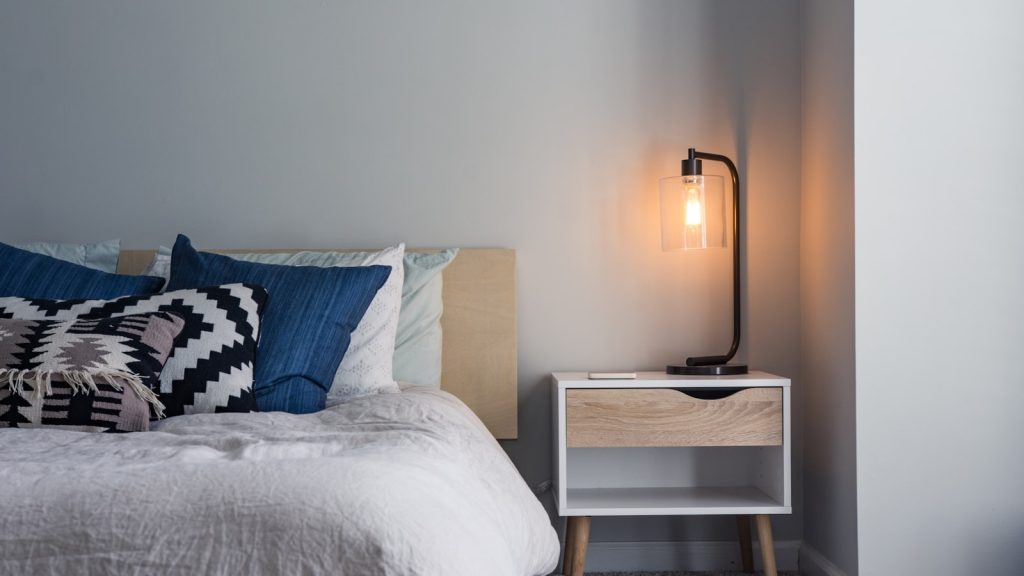
- I switched my bedside lamp to the warm one and made that the cue that screen time was over.
- I kept a notepad and pen on my nightstand. When anxious thoughts showed up, I wrote them down instead of googling them at 11pm.
- I did a really basic 5-minute stretch — nothing athletic, just reaching for my toes and rolling my shoulders. It sounds silly, but it helped my body remember that bed meant sleep, not stimulation.
What Actually Changed
By day five, something shifted. I stopped counting down the minutes until I could check my phone. My brain started associating the warm lamp with winding down, kind of like a reflex. Falling asleep took less time — I used to toss and turn for thirty or forty minutes, and now I’m usually out within ten.
The bigger surprise was the middle-of-the-night stuff. I used to wake up at 3am, grab my phone, and scroll myself into a full-blown anxiety spiral about things I couldn’t control. That basically stopped. Without the phone right there, my 3am brain had nothing to feed on, so I’d roll over and go back to sleep. Who knew?
The Tips That Made It Stick
If you want to try this, don’t make my early mistakes. Here’s what actually helped:
- Don’t go cold turkey on day one. Move your phone charger out of the bedroom first, or put the phone on airplane mode and leave it across the room. Physical distance does more than willpower ever will.
- Replace, don’t remove. If you just stop scrolling, you’ll feel restless. Swap in an actual book, a podcast at low volume, or even just sitting by the window for five minutes. Your brain wants input — give it something calmer.
- Be consistent about the timing. Try the same wind-down window every night, even on weekends. Your body clock loves routine, and this is one habit where consistency beats intensity.
- Give it a full two weeks. The first few nights feel weird and pointless. That’s normal. The payoff starts around day four or five, so don’t quit before you get there.
What I’m Doing Now
It’s been two weeks, and I’m not going back. I still use my phone plenty during the day — I’m not one of those people who pretends to hate social media. But that last hour before bed belongs to me now. My sleep tracker is happier, my morning brain fog is lighter, and I honestly just feel calmer, like I’m not carrying everyone else’s drama into my pillow with me.
If you’re stuck in the same scrolling-at-midnight loop, I get it. It’s not a character flaw, it’s just a habit — and habits can be swapped. Start with one small change tonight: put the phone across the room, turn on the warm lamp, and see what happens. Worst case, you lose a little scrolling time. Best case, you wake up feeling like an actual human again.