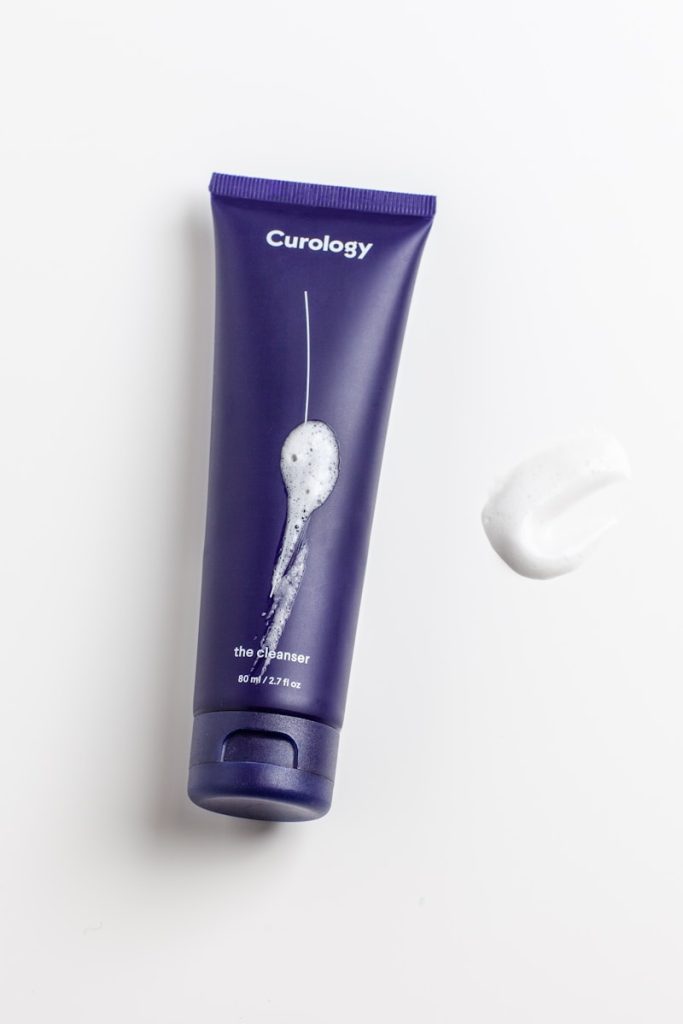
Adult acne is more common than many people realize. It affects millions of adults, with women being disproportionately affected due to hormonal fluctuations. Unlike teenage acne, which often appears on the forehead and nose, adult acne tends to develop on the lower face, jawline, and chin. Here is a comprehensive look at what causes adult acne and how to treat it effectively.
Why Adults Get Acne
The causes of adult acne are multifaceted. Hormonal fluctuations are the most common trigger. For women, hormones fluctuate during the menstrual cycle, pregnancy, perimenopause, and with conditions like polycystic ovary syndrome. Stress is another major factor, elevated cortisol levels can increase oil production and inflammation. Other triggers include certain medications, dietary factors, and using the wrong skincare products that clog pores or irritate the skin.
The Role of Stress and Diet
Chronic stress increases the production of cortisol, which in turn stimulates the sebaceous glands to produce more oil. This excess oil combines with dead skin cells to clog pores and create an environment where acne-causing bacteria thrive. Diet can also play a role. High-glycemic foods like white bread, sugary snacks, and processed foods can spike insulin levels, which may trigger acne. Dairy consumption, particularly skim milk, has been linked to acne in some studies.
Effective Skincare Ingredients for Adult Acne
Salicylic acid is a beta hydroxy acid that penetrates pores to dissolve the debris that causes blackheads and whiteheads. It is effective at concentrations of 0.5% to 2% and is available in cleansers, toners, and spot treatments. Niacinamide helps regulate oil production and reduce inflammation, making it an excellent ingredient for acne-prone skin. Benzoyl peroxide kills acne-causing bacteria and is available in concentrations from 2.5% to 10%.
Building an Acne-Fighting Routine
A well-structured routine is key to managing adult acne without overdoing it. In the morning, use a gentle cleanser, apply a niacinamide serum to control oil, moisturize with a lightweight, oil-free formula, and finish with sunscreen. In the evening, double cleanse if you wear makeup or sunscreen, apply a treatment product like salicylic acid or a retinoid on alternating nights, and moisturize. Introduce only one active ingredient at a time.
Professional Treatments Worth Considering
If over-the-counter products are not enough, professional treatments can help. Chemical peels using glycolic or salicylic acid can reduce acne and improve skin texture. LED light therapy, particularly blue light, targets acne-causing bacteria. Prescription medications like spironolactone, oral contraceptives, and topical antibiotics can be effective for hormonal acne.