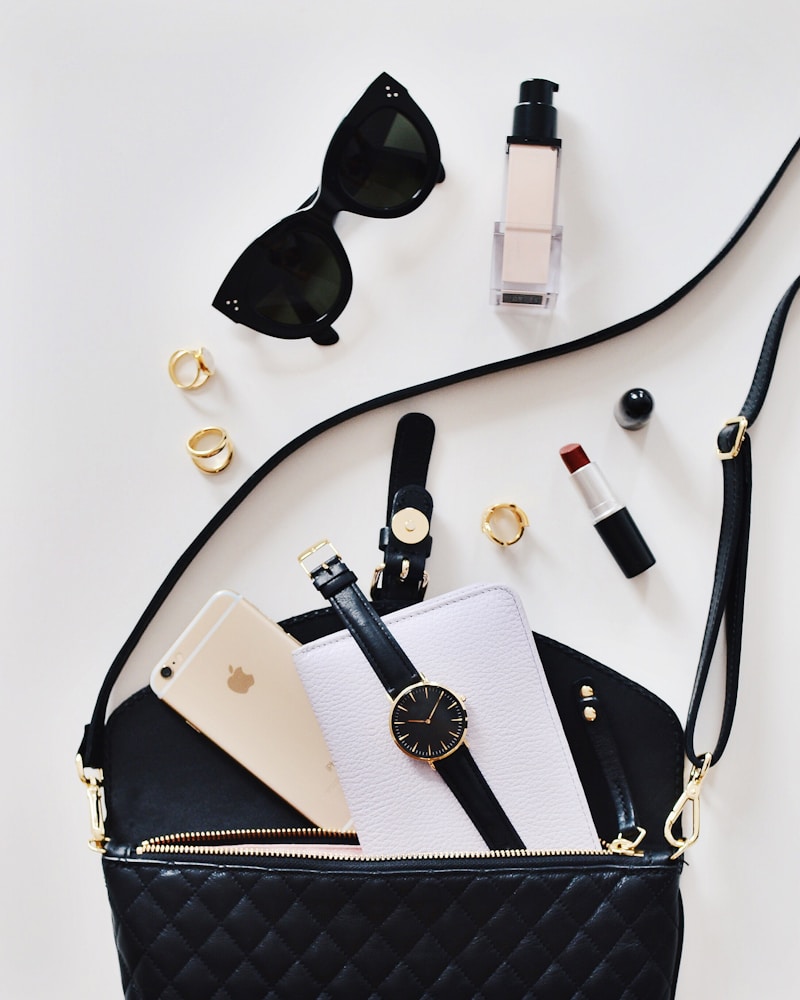
A well-crafted leather accessory is more than a purchase — it’s an investment in enduring style. Quality leather goods develop a unique patina over time, telling the story of your journeys and becoming more beautiful with age. Here’s everything you need to know about choosing, caring for, and investing in leather accessories that will last a lifetime.
Understanding Leather Quality
Not all leather is created equal. Full-grain leather is the highest quality, retaining the natural grain and developing the most beautiful patina. Top-grain leather is slightly sanded for uniformity but still durable. Genuine leather is a lower grade, often split and layered. For investment pieces, always prioritize full-grain or top-grain leather from reputable tanneries.
The Handbag Investment
A quality leather handbag is often the first major fashion investment many people make. Look for reinforced stitching, quality hardware (brass or silver-toned zippers), and a structured base that holds its shape. Classic silhouettes like the tote, saddle bag, or crossbody in neutral colors offer the most longevity. Brands that stand behind their craftsmanship with repair services add significant value.
Leather Footwear
Leather shoes mold to your feet over time, creating a custom fit that synthetics cannot replicate. Invest in Goodyear-welted construction for shoes that can be resoled repeatedly. Rotate your leather shoes to allow them to dry between wears, and use cedar shoe trees to maintain shape and absorb moisture. A well-maintained pair of leather boots or loafers can easily last 20 years.
Belts and Wallets
These smaller accessories see daily wear and deserve equal consideration. A full-grain leather belt with a replaceable buckle offers the best value. For wallets, look for minimal stitching with reinforced stress points. Thin leather develops character faster than thick leather, so choose accordingly based on your aesthetic preference.
Leather Care Basics
Proper care extends the life of leather goods exponentially. Clean gently with a damp cloth, condition every 3–6 months with a quality leather conditioner, and store in dust bags away from direct sunlight and heat sources. For suede and nubuck, use a specialized brush and protector spray. Address stains immediately — the longer they sit, the harder they are to remove.
Ethical Considerations
The leather industry raises important ethical questions. Consider vegetable-tanned leather, which uses natural tannins rather than chrome. Look for leathers certified by the Leather Working Group, which promotes responsible environmental practices. Many brands now offer traceable leather supply chains, allowing consumers to verify the origins of their purchase.
Leather Alternatives Worth Considering
High-quality vegan leathers have improved dramatically. Piñatex (made from pineapple leaves), mushroom leather (Mylo), and cactus leather (Desserto) offer innovative plant-based alternatives. Recycled leather, made from offcuts, also reduces waste. These options provide the look and feel of leather with a smaller environmental footprint.
The Bottom Line
When investing in leather accessories, buy less and buy better. A single high-quality piece will outlast a dozen fast-fashion alternatives, saving money and reducing waste over the long term. Choose pieces that align with your lifestyle and personal aesthetic, and commit to their care. The best leather accessories become heirlooms — pieces worth passing down to the next generation.