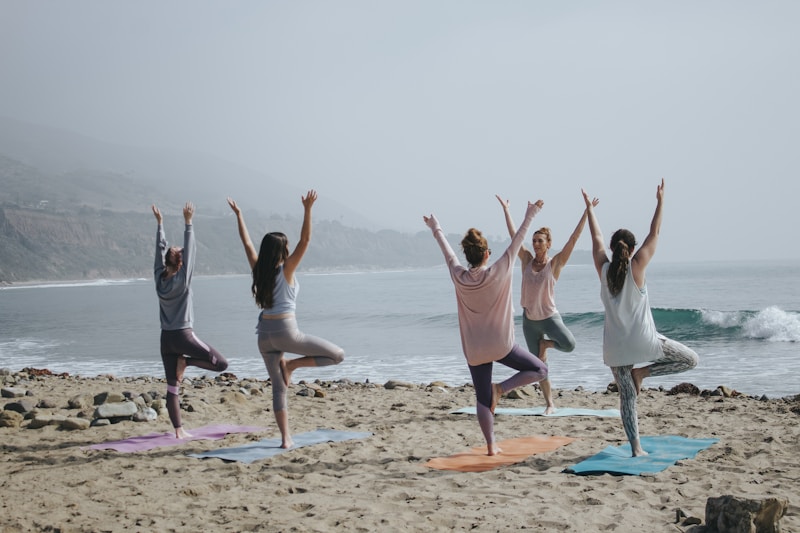
Why Morning Yoga
Starting your day with yoga is one of the most beneficial habits you can develop. A morning yoga practice wakes up your body, calms your mind, and sets a positive tone for the hours ahead. In 2026, more people than ever are discovering the transformative power of morning movement. This beginner-friendly routine will help you start your day with intention and ease.
You don’t need to be flexible, strong, or experienced to practice yoga. Yoga is for every body, at every level. This routine is designed for absolute beginners and can be completed in 15-20 minutes. As you become more comfortable, you can extend your practice.
Setting Up Your Practice
Find a quiet space where you won’t be disturbed. You’ll need a yoga mat or a comfortable surface to practice on. Wear comfortable clothing that allows you to move freely. You might want a blanket or towel for comfort during floor poses.
Morning yoga is best practiced on an empty stomach, before breakfast. If you need something, have a small glass of water or herbal tea. Set an intention for your practice — this could be as simple as “I will be kind to myself today” or “I will move with gratitude for my body.”
Pose 1: Child’s Pose (Balasana)
Start on your hands and knees. Bring your big toes together and sit back on your heels. Extend your arms forward on the mat, lowering your chest toward the floor. Rest your forehead on the mat.
Breathe deeply in this position, feeling your back expand and release with each breath. Hold for 5-10 breaths. Child’s pose gently stretches your back, hips, and thighs while calming your nervous system.
Pose 2: Cat-Cow Stretch (Marjaryasana-Bitilasana)
Come to a tabletop position on your hands and knees, with your wrists directly under your shoulders and your knees under your hips. On an inhale, drop your belly toward the mat, lift your chest and tailbone, and gently look up — this is Cow pose.
On an exhale, round your spine toward the ceiling, tuck your chin to your chest, and tuck your tailbone — this is Cat pose. Continue flowing between these two poses with your breath for 8-10 rounds. This movement warms up your spine and releases tension in your back and neck.
Pose 3: Downward-Facing Dog (Adho Mukha Svanasana)
From tabletop, tuck your toes and lift your hips up and back, straightening your legs as much as comfortable. Press your hands firmly into the mat and extend through your arms. Let your head hang freely between your arms.
Pedal your feet alternately, bending one knee then the other, to warm up your legs. Hold for 5-8 breaths. Downward dog stretches your hamstrings, calves, shoulders, and spine while building strength in your arms and legs.
Pose 4: Mountain Pose (Tadasana)
Step or jump your feet to the front of your mat and stand tall. Bring your feet hip-width apart, arms at your sides. Distribute your weight evenly across both feet. Engage your thighs, lengthen your tailbone toward the floor, and lift through the crown of your head.
Roll your shoulders back and down, open your chest, and take several deep breaths. Mountain pose seems simple but is the foundation of all standing poses. It improves posture, balance, and body awareness.
Pose 5: Forward Fold (Uttanasana)
From Mountain pose, exhale and fold forward from your hips, keeping your spine long. Bend your knees as much as needed to bring your hands to the floor beside your feet. Let your head hang heavy.
You can hold opposite elbows and gently sway side to side. Hold for 5-8 breaths. Forward fold releases tension in your hamstrings, calves, and lower back while calming your mind.
Pose 6: Low Lunge (Anjaneyasana)
From Forward Fold, step your right foot back into a lunge position. Lower your left knee to the mat and untuck your toes. Place your hands on your right thigh or on the mat beside your foot.
On an inhale, lift your chest and gently arch your back. Hold for 5 breaths, then step your left foot back and repeat on the opposite side. Low lunge opens your hips and stretches your quadriceps and hip flexors.
Pose 7: Tree Pose (Vrikshasana)
Stand in Mountain pose at the front of your mat. Shift your weight onto your left foot. Bring your right foot to your left ankle, calf, or thigh — never to your knee. Place your hands at your heart in prayer position, or extend them overhead like branches.
Find a steady point to focus on to help with balance. Hold for 5-8 breaths, then switch sides. Tree pose improves balance, strengthens your legs and core, and cultivates focus and calm.
Pose 8: Seated Twist (Ardha Matsyendrasana)
Sit on your mat with your legs extended. Bend your right knee and cross your right foot over your left leg, placing it on the mat outside your left thigh. Inhale to lengthen your spine, then exhale and twist to the right, placing your left elbow outside your right knee.
Keep your chest open and your shoulders relaxed. Hold for 5-8 breaths, then unwind and repeat on the left side. Seated twists improve spinal mobility, aid digestion, and release tension in your back.
Pose 9: Bridge Pose (Setu Bandhasana)
Lie on your back with your knees bent and feet flat on the mat, hip-width apart. Arms rest alongside your body, palms down. On an inhale, press into your feet and lift your hips toward the ceiling.
Keep your thighs parallel and engage your glutes. Hold for 5 breaths, then slowly lower your hips back to the mat. Bridge pose strengthens your back, glutes, and hamstrings while opening your chest and hips.
Pose 10: Corpse Pose (Savasana)
Lie flat on your back with your legs extended and arms at your sides, palms facing up. Close your eyes and let your body completely relax. Release any remaining tension in your jaw, shoulders, and hips.
Stay in Savasana for 3-5 minutes, focusing on your breath. This is the most important pose — it allows your body to integrate the benefits of your practice and sets a calm foundation for your day.
Building a Consistent Practice
The key to a successful morning yoga practice is consistency, not duration. Even 10 minutes of morning yoga is beneficial. Start with this routine and adjust it to fit your schedule and needs. As you become more comfortable, you might add poses or extend your practice.
Remember that yoga is a journey, not a destination. Some days will feel easier than others. Be patient with yourself and celebrate showing up on your mat. Your practice will deepen over time — not just physically, but mentally and spiritually as well.