If you’ve scrolled through any fashion feed lately, you’ve probably noticed it: the clothes getting simpler, the logos getting smaller, and everyone suddenly obsessed with the way a coat drapes. Quiet luxury — or “stealth wealth,” depending on who you ask — isn’t going anywhere. It’s just gotten smarter, and honestly? It’s one of the few trends that actually saves you money instead of draining it.
The whole idea is pretty simple. Instead of shouting your outfit with big branding, you let the fit, the fabric, and the finishing do the talking. It sounds fancy, but the good news is you absolutely don’t need a five-figure wardrobe to pull it off. You need a few smart habits.
Start with fit, not labels
Here’s the thing nobody tells you about quiet luxury: it’s 80 percent fit. A $30 blazer that’s been tailored to your shoulders will read as more expensive than a $500 one off the rack. Find a local tailor — yes, even in 2026 they exist — and get your shoulders, hems, and waistlines adjusted. It’s usually $10 to $20 per item, and it’s the single best money you’ll spend on your closet all year.
Pick three neutrals and commit
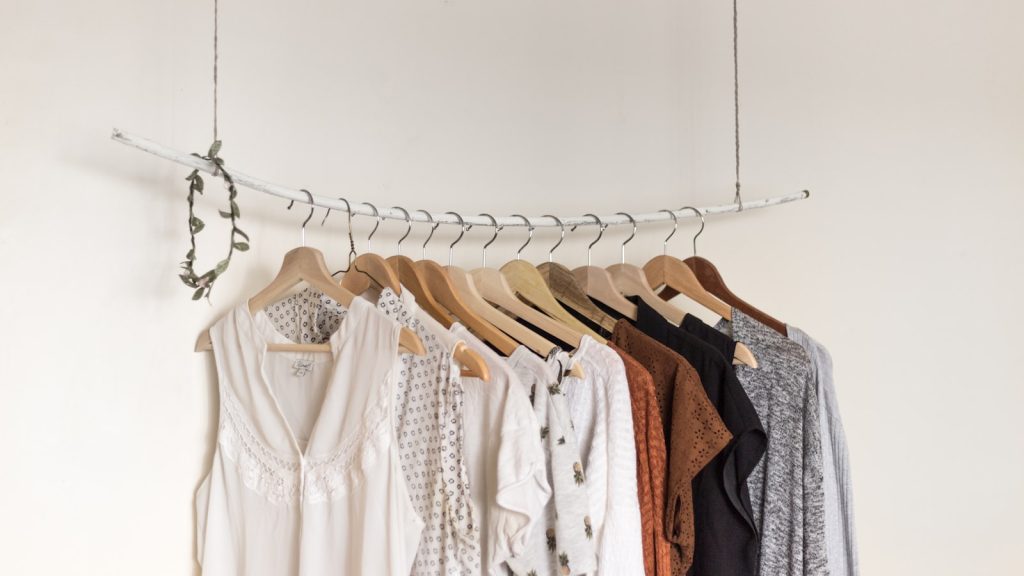
The “expensive” look is basically built on a tight color palette. Think camel, cream, charcoal, and maybe one deep tone like forest green or burgundy. When everything in your wardrobe works together, you stop buying “outfits” and start buying pieces — which means fewer impulse buys and way less “I have nothing to wear” panic at 8 a.m.
Look at the fabric, not the tag
This is the part that actually matters. Natural fibers — cotton, linen, wool, silk — drape differently than polyester, and that drape is what reads as “expensive” from across the room. You don’t need designer versions. You need to check the care label before you buy. A 100 percent cotton tee from a basics brand will beat a logo tee made of a scratchy blend every single time.
The shoes and bag rule
If you only have a little money to play with, spend it on the pieces that get the most attention: shoes and bags. They’re the details people notice first, and they’re the items that last longest when you buy well. A simple leather tote and a pair of plain loafers will carry you through basically every season.
Shop secondhand first
Quiet luxury is the perfect trend for secondhand shopping, because the whole aesthetic is timeless. Look for wool blazers, silk blouses, and leather goods from brands that have been making them well for decades. Sites like Vinted, eBay, and Depop are goldmines if you filter by material and size rather than brand name.
Keep accessories quiet, too
Here’s a mistake I see all the time: people nail the outfit and then ruin it with a logo belt or a flashy logo bag. The whole point is understatement. A plain watch, small gold hoops, and a leather belt with an unbranded buckle are all you need. If you’re not sure whether something screams, it probably does — leave it at home.
Less, but better
Here’s the mindset shift that makes everything easier: before you buy anything, ask if you’d wear it four times a month. If the answer is no, it’s not “a nice piece” — it’s a future donation. Quiet luxury isn’t about owning expensive things. It’s about owning the right things, and letting them do the work.
And honestly, that’s the part I love most about this trend. It pushes you to slow down, buy less, and actually enjoy what you own. No chasing seasonal micro-trends, no regret-filled carts. Just a wardrobe that feels like you — and looks a whole lot richer than it cost.
If you’re tempted to start with one change, do the fit thing first. Take your two most-worn items to a tailor, and I promise you’ll see the difference the next time you get dressed. Everything else can wait.